Iconic Ethiopian Destinations
Journey to Ethiopia's most legendary and breathtaking destinations, from ancient obelisks to dramatic volcanic landscapes
Gondar – Castles of Fasil Ghebbi & Imperial History
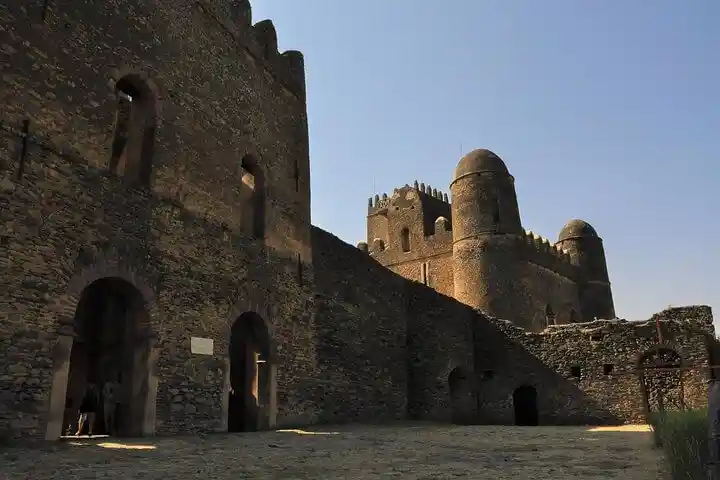
Gondar is Ethiopia’s historic royal city, often called the “Camelot of Africa” for its dramatic stone castles and imperial compounds. The centerpiece is Fasil Ghebbi (the Royal Enclosure), a UNESCO-listed fortress complex of palaces, banquet halls, and ceremonial structures built during the Gondarine period. Beyond the castles, Gondar is home to iconic Ethiopian Orthodox heritage sites, including Debre Berhan Selassie Church, famous for its painted ceiling of angel faces and vibrant religious artwork. The city’s layered history—royal, religious, and cultural—makes it one of the most rewarding destinations on the Historic Route. Gondar also serves as a popular gateway for travelers continuing onward to the Simien Mountains.
Bahir Dar – Lake Tana Monasteries & Blue Nile Gateway
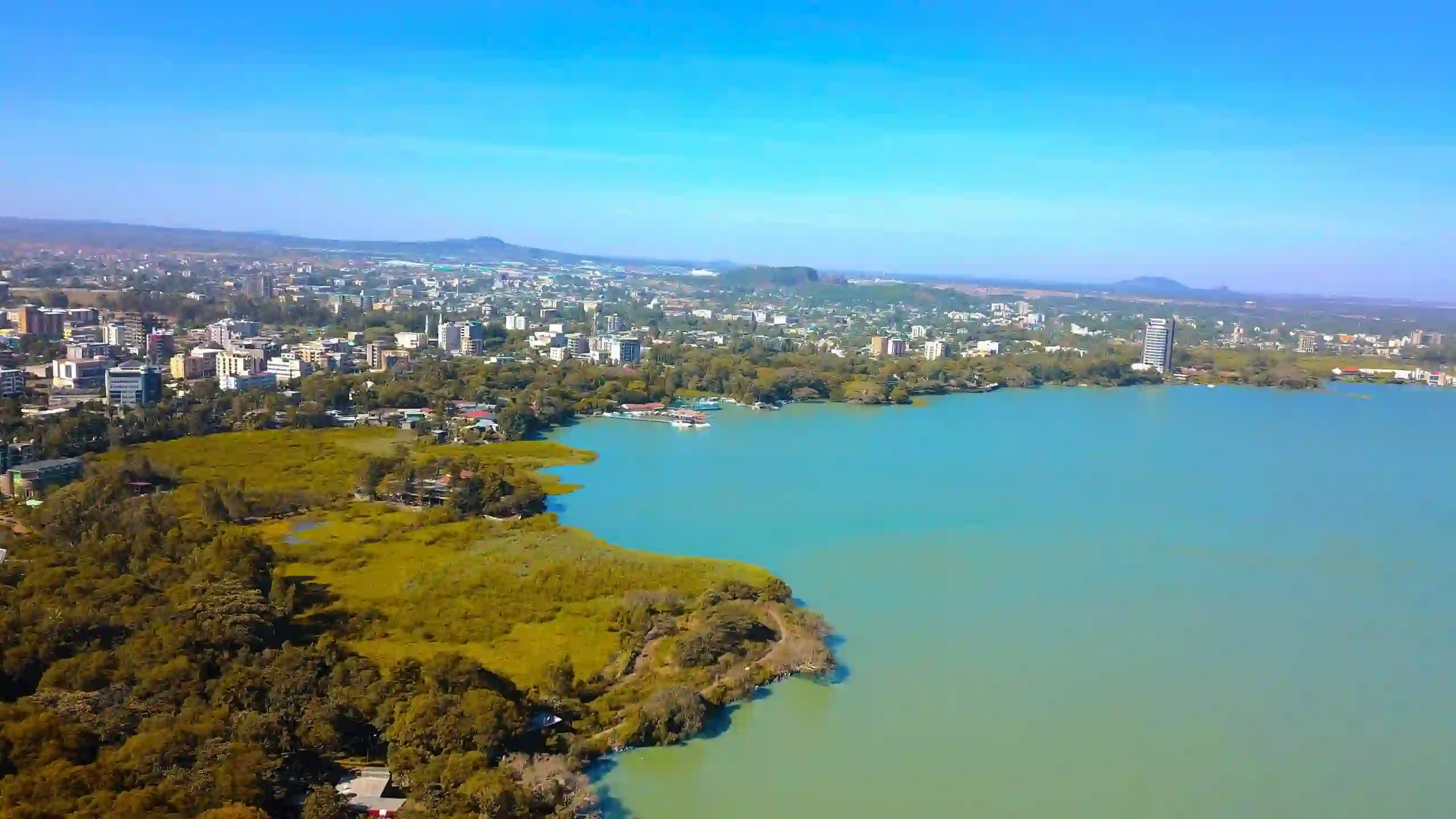
Bahir Dar is one of Ethiopia’s most scenic cities, set on the shores of Lake Tana—the country’s largest lake and the source of the Blue Nile. With its relaxed lakeside atmosphere, palm-lined avenues, and beautiful sunsets, it’s an ideal stop on Ethiopia’s Historic Route for travelers who want nature and culture in one place. A signature experience here is a boat trip across Lake Tana to historic island and peninsula monasteries, where visitors can see centuries-old murals, manuscripts, and Ethiopian Orthodox heritage. Bahir Dar is also the most convenient base for excursions to the Blue Nile Falls (Tis Issat) and countryside viewpoints, especially during seasons with stronger water flow. Whether you stay a night or a few days, Bahir Dar offers a perfect blend of lake life, history, and easy day trips.
Axum
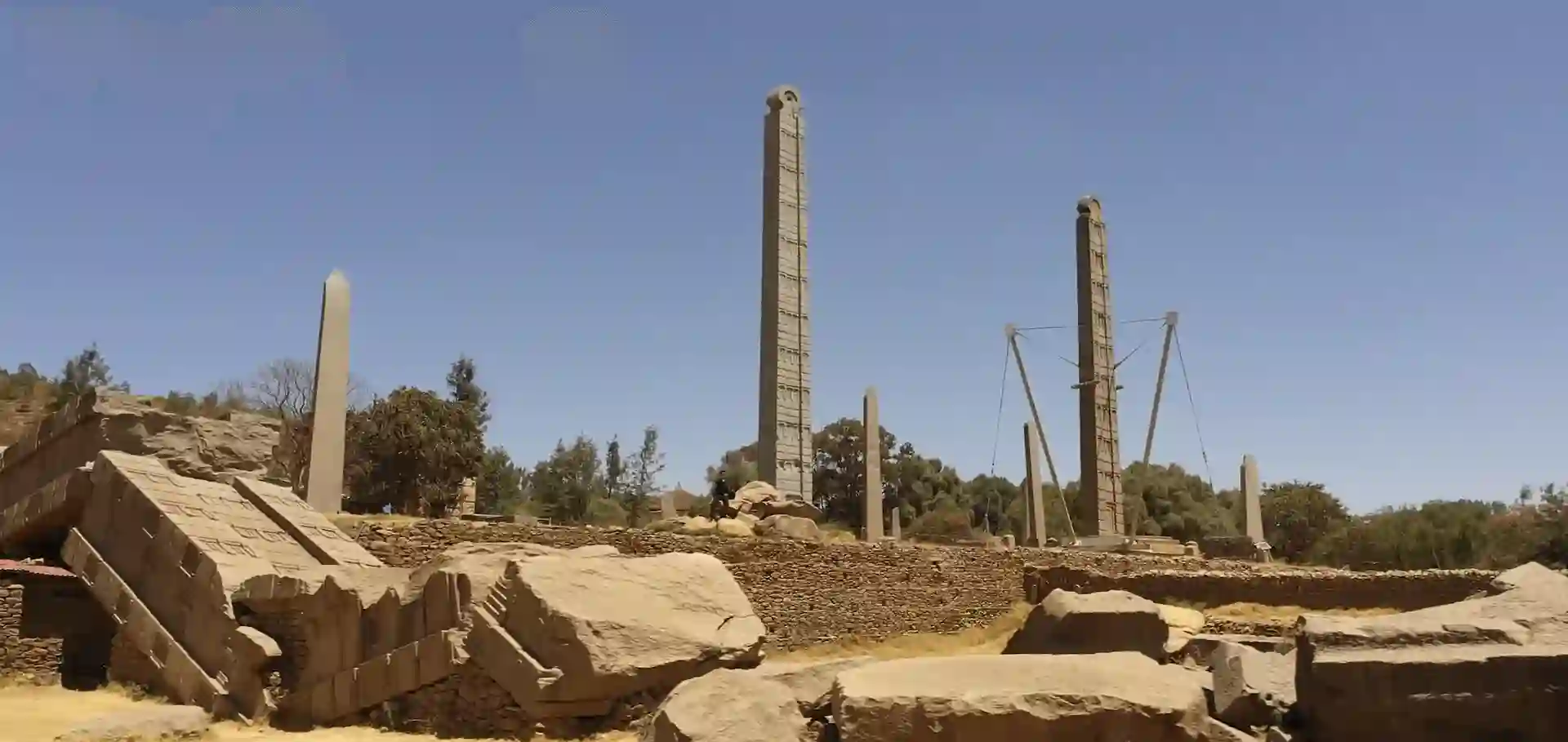
Axum, the ancient capital of the Aksumite Empire, is one of the oldest continuously inhabited cities in Africa and a UNESCO World Heritage Site. This legendary city was once the center of a powerful trading empire that connected Africa with Arabia, India, and the Mediterranean world. According to Ethiopian tradition, Axum is the final resting place of the Ark of the Covenant, housed in the Church of Our Lady Mary of Zion. The city's famous stelae field features towering granite obelisks, the largest of which once stood 33 meters tall—the biggest monolith humans ever attempted to erect. These carved monuments, some dating back to the 3rd century AD, served as grave markers for Aksumite royalty. Axum offers visitors a profound connection to Ethiopia's ancient past, with archaeological sites, royal tombs, and ancient inscriptions that tell the story of one of the great civilizations of the ancient world.
St. Mary of Zion Church
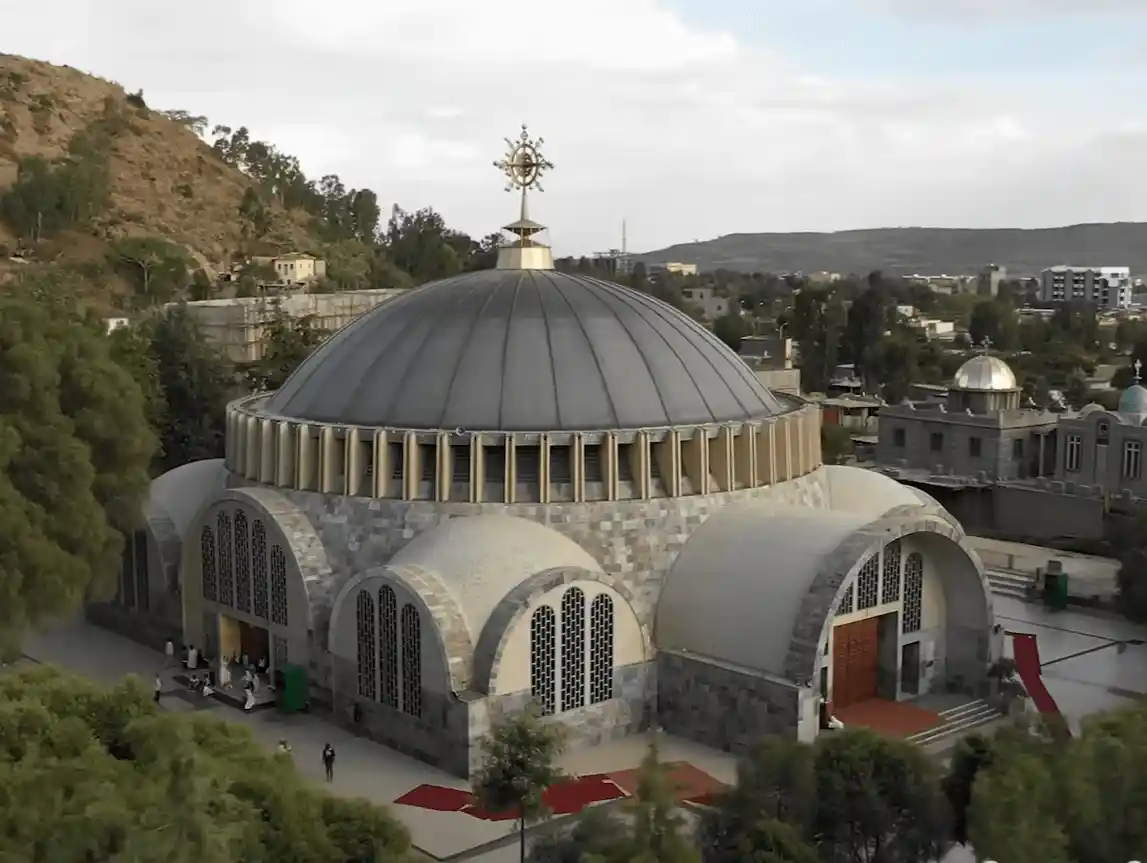
The Church of Our Lady Mary of Zion (Mariam Tsion) in Axum is the most sacred site in Ethiopian Orthodox Christianity. According to Ethiopian tradition, this is where the Ark of the Covenant has been kept for nearly 3,000 years, brought to Ethiopia by Menelik I, the son of King Solomon and the Queen of Sheba. The church compound contains multiple buildings spanning different eras. The original church, believed to have been built in the 4th century by King Ezana, was destroyed and rebuilt several times. The current Old Cathedral dates to the 17th century, while a new cathedral was built in the 1960s by Emperor Haile Selassie. The small Treasury Chapel, guarded by a single monk who never leaves the compound, is said to house the Ark. Only the Guardian of the Ark may see it, making this one of the world's most mysterious religious sites. The annual Timkat (Epiphany) celebration here draws thousands of pilgrims from across Ethiopia.
Great Temple of Yeha
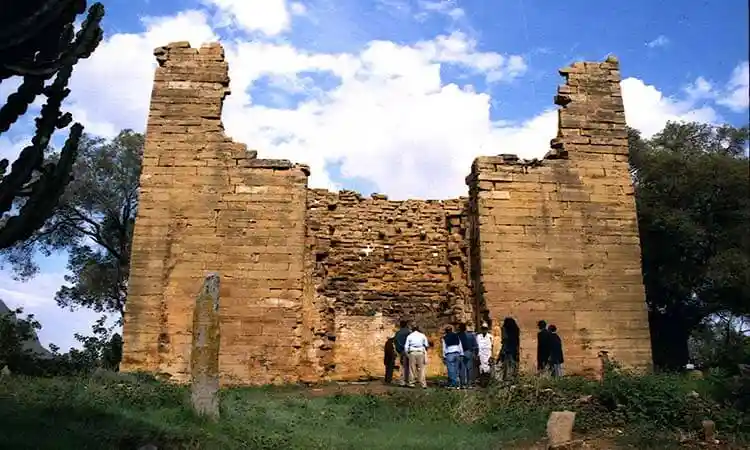
The Great Temple of Yeha stands as the oldest standing structure in Ethiopia, dating back to the 7th or 8th century BC—predating the Aksumite Empire by nearly a thousand years. This remarkable stone edifice represents the peak of the pre-Aksumite D'mt civilization and shows clear architectural connections to the Sabaean culture of ancient Yemen. The temple's massive sandstone walls, constructed without mortar using precisely cut blocks, rise 12 meters high and showcase extraordinary engineering sophistication for their time. Originally dedicated to the moon god Almouqah, the site was later converted to a church dedicated to Abuna Aftse, one of the Nine Saints who spread Christianity in Ethiopia. Adjacent to the temple lies the Church of Abuna Aftse, which contains ancient religious manuscripts, crowns, and artifacts. The combination of pre-Christian and Christian heritage makes Yeha a unique window into Ethiopia's layered religious history spanning nearly 3,000 years.
Debre Damo Monastery
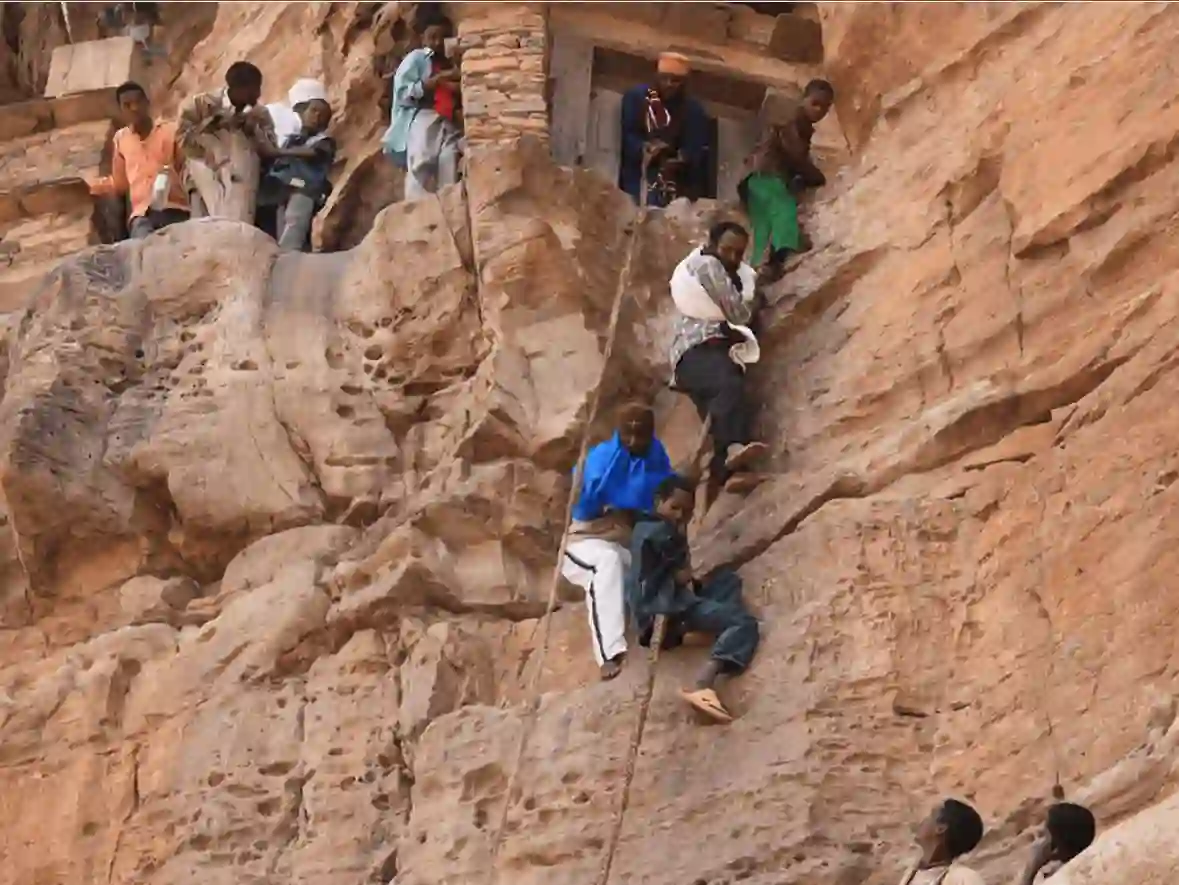
Debre Damo is one of Ethiopia's most ancient and inaccessible monasteries, perched atop a flat-topped mountain (amba) that rises 2,200 meters above the surrounding plains. Founded in the 6th century by Abuna Aregawi, one of the Nine Saints, the monastery can only be reached by climbing a 15-meter vertical cliff face using a leather rope—a tradition unchanged for 1,500 years. The monastery church is considered the oldest intact church building in Ethiopia, featuring Aksumite architecture with carved wooden beams, painted ceilings, and ancient religious artwork. The remote community of monks maintains a lifestyle that has remained essentially unchanged for centuries, following ancient religious traditions and manuscript preservation. Debre Damo has never been conquered and served as a royal prison for princes in medieval times. Women are strictly forbidden from ascending the mountain—a rule that applies to all female creatures, supposedly including hens. For male visitors willing to make the climb, this is an unparalleled journey into Ethiopia's living ancient heritage.