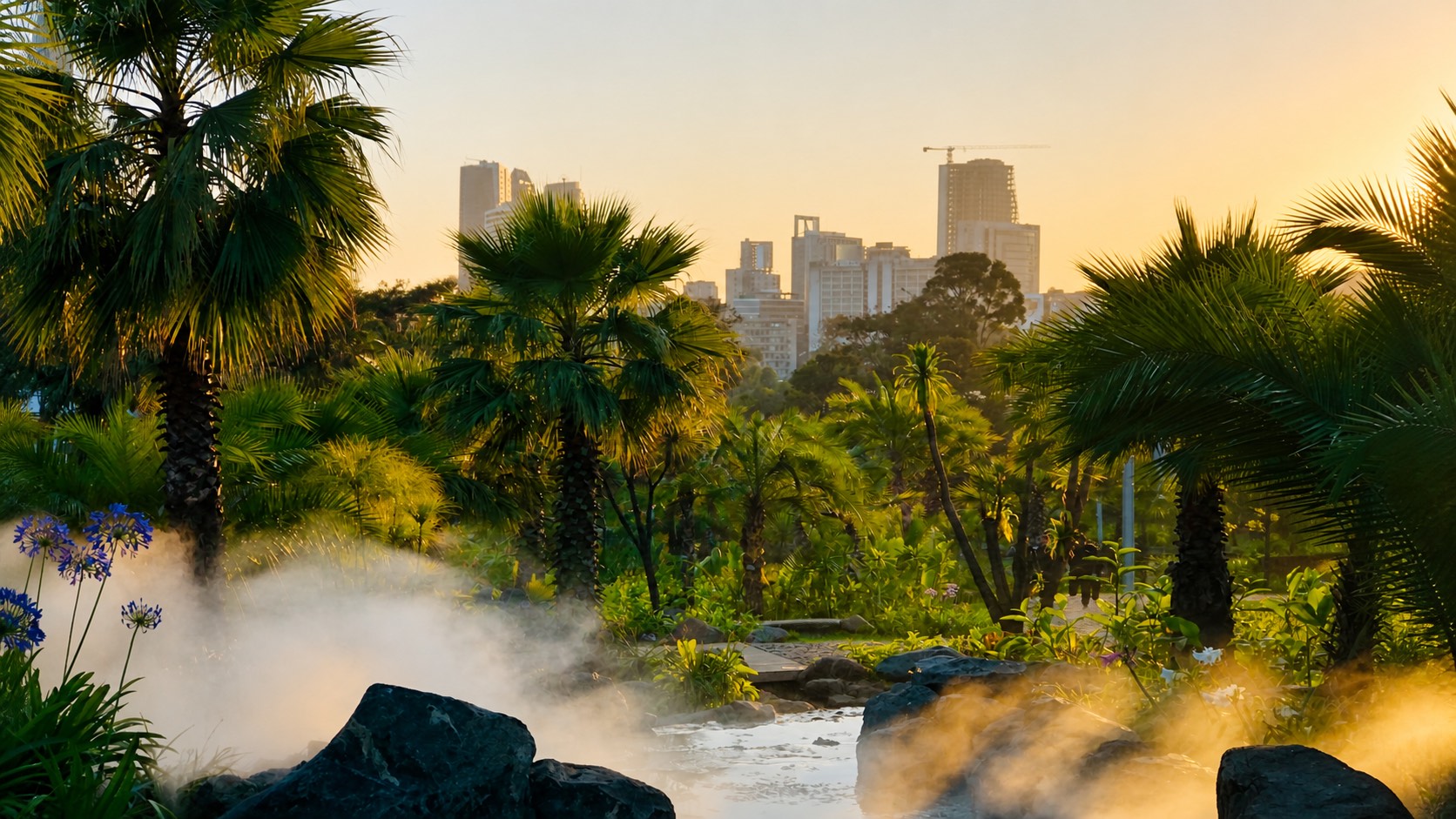
Ethiopian City Attractions
Discover Ethiopia's vibrant cities, from the bustling capital of Addis Ababa to the ancient and historic city of Axum. Explore museums, markets, churches, and cultural sites that tell the story of this ancient civilization.
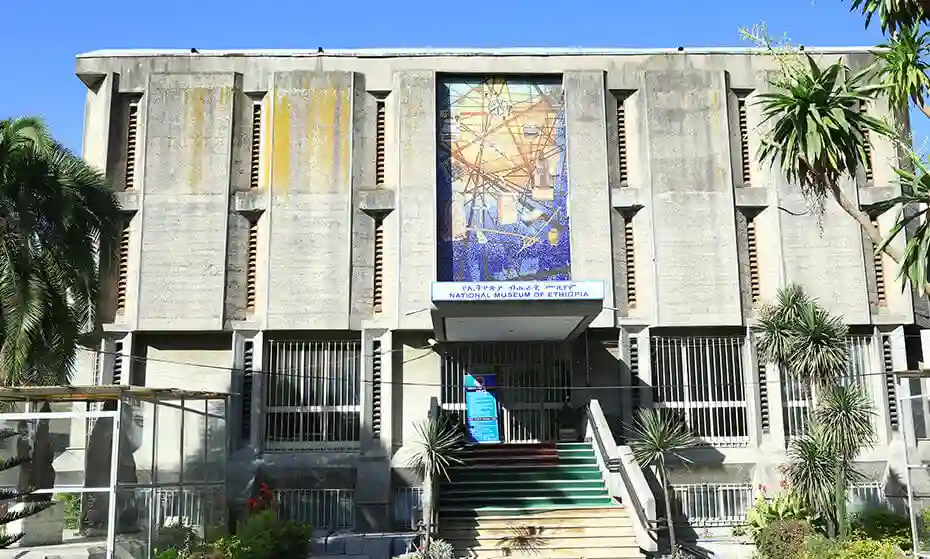
National Museum of Ethiopia
This iconic Museum is home to Lucy (Dinkinesh), the 3.2 Million-year-old fossil that reshaped our understanding of human evolution. Walking through its halls, you‘ll uncover Ethiopia’s fascinating past from prehistoric discoveries to the legacies of ancient civilization. The museum boasts a vast collection of archeological artifacts, royal treasures, traditional art, and historical exhibits that highlight Ethiopia’s role as one of the world’s oldest civilizations. Visitors can admire ancient relics from the Axumite Empire, the Medieval Solomonic Dynasty, and the rich cultural heritage of Ethiopia's diverse ethnic groups. Beyond history, the National Museum of Ethiopia also features contemporary art galleries showcasing Ethiopia’s vibrant artistic expressions.

Mercato Market
Mercato is Africa's largest open-air market—a sprawling, vibrant maze that pulses with the energy of thousands of vendors and shoppers. Located in the heart of Addis Ababa, this legendary marketplace covers several square kilometers and offers an unparalleled window into Ethiopian daily life. Navigate through specialized sections where you'll find everything from aromatic Ethiopian coffee and exotic spices to hand-woven textiles and recycled metal crafts. The market's organization is surprisingly logical once you understand it: each area specializes in specific goods, from electronics to traditional clothing. Bargaining is expected and part of the experience. Come early morning for the best selection and cooler temperatures, and be prepared for sensory overload—the sights, sounds, and smells of Mercato are unforgettable.
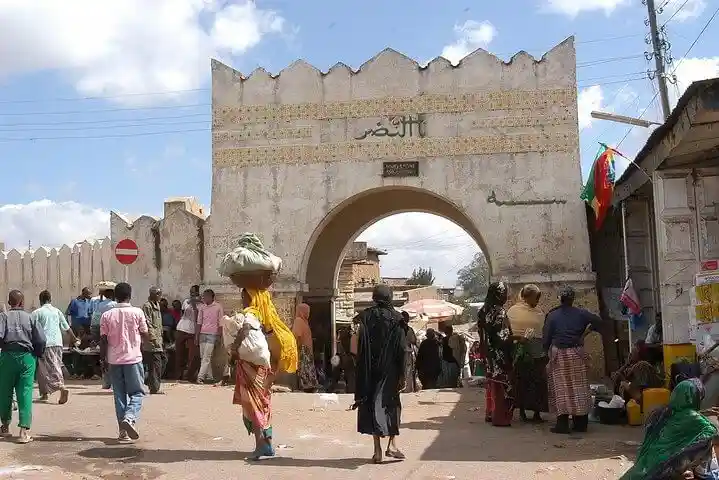
Harar Old Town
Harar Jugol, the ancient walled city of Harar, stands as the fourth holiest city in Islam and a UNESCO World Heritage Site. Within its five historic gates lie 82 mosques (three dating to the 10th century), 102 shrines, and a labyrinth of narrow alleyways that have remained largely unchanged for centuries. The city is famous for its unique Harari culture, distinctive architecture, and the extraordinary tradition of hyena feeding. Each night, "hyena men" call wild hyenas to the city gates, feeding them by hand—a ritual that has continued for generations. Visitors can participate in this remarkable experience. Harar was also home to the French poet Arthur Rimbaud, and his former residence is now a museum. The old town's colorful Harari houses, vibrant markets, and the warmth of its people make it one of Ethiopia's most captivating destinations.
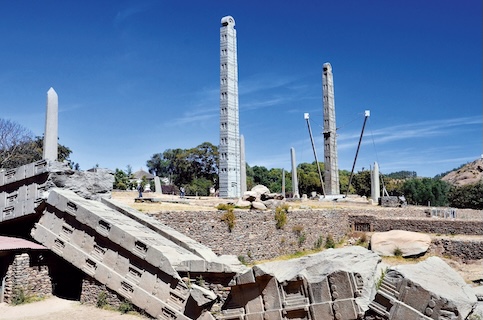
Ancient Kingdom of Aksum
Axum (Aksum) is one of Ethiopia’s most important historical cities—once the heart of the powerful Kingdom of Aksum, a major civilization and trading empire that connected Africa, the Middle East, and the Mediterranean. Visiting Axum is like walking through a living museum, where ancient monuments, legends, and sacred traditions still shape daily life. The experience often centers around the famous Stelae Park, home to towering granite obelisks carved centuries ago, believed to mark royal tombs. Beyond the stelae, you can explore archaeological ruins, royal inscriptions, and historic sites tied to the story of the Aksumite era. Many tours also include cultural storytelling that explains Axum’s role in early Christianity in Ethiopia and the city’s deep spiritual significance. Exploring Axum offers a powerful understanding of Ethiopia’s ancient identity—its architecture, faith, and civilization. It’s a must-visit for travelers who want history that feels real, personal, and unforgettable.
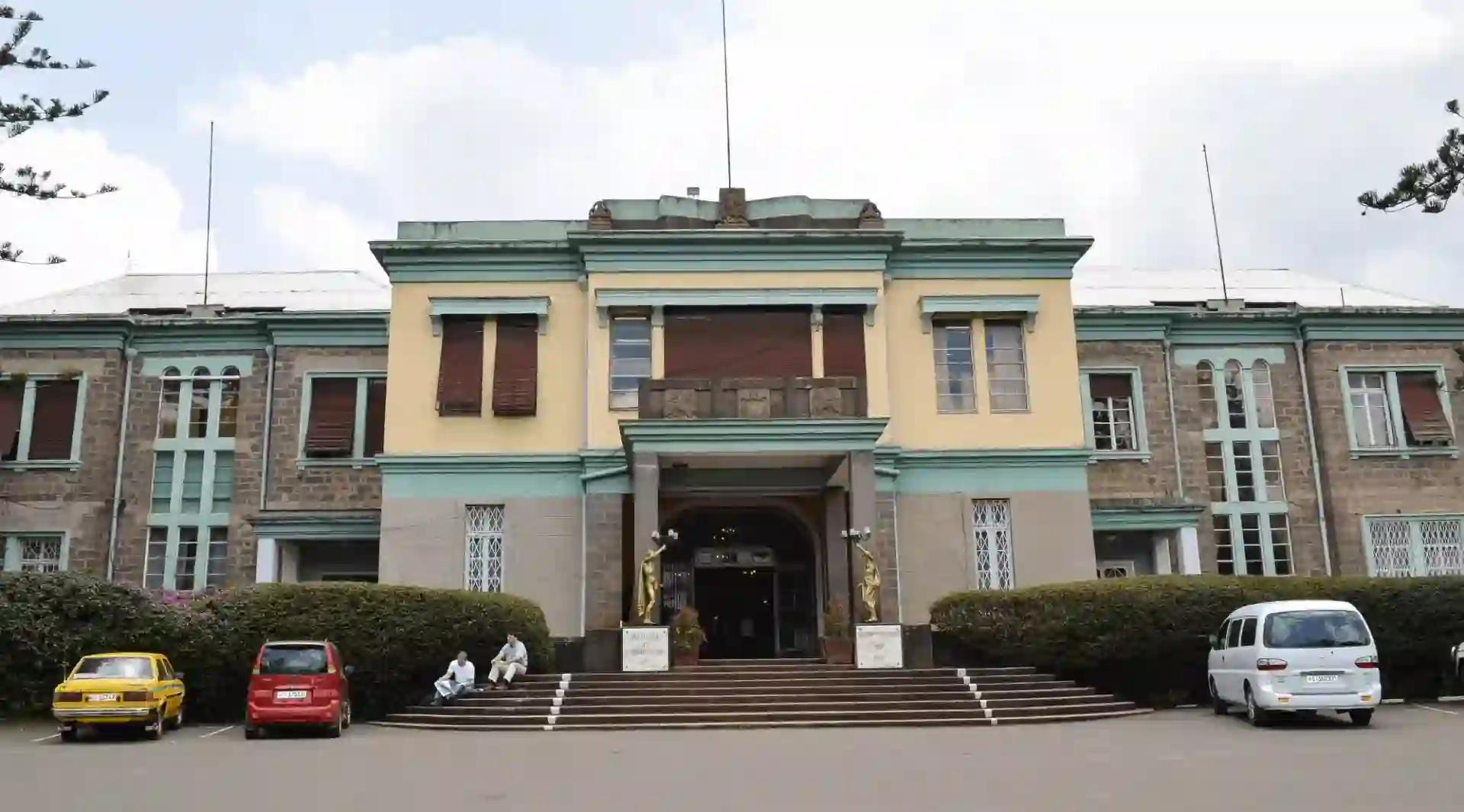
Ethnological Museum - The Palace Museum
Situated within the former palace of Emperor Haile Selassie, the Ethnological Museum is a hidden treasure in Addis Ababa that deep dive in to Ethiopia’s rich cultural diversity. This must visit Museum provides comprehensive look at the country’s many ethnic groups, traditions, artistic heritages, making it an essential stop for those who are eager to understand Ethiopia’s past and present. As you explore the Museum, you’ll discover exhibits that showcase traditional artifacts, musical instruments, religious art, and everyday objects that illustrate the way of life across Ethiopia’s various communities. From the intricate craftsmanship of indigenous cultures to historical accounts of ancient customs, the Ethnological paints a vivid picture of Ethiopia’s multifaceted identity. One of the highlights of the Museum is its location within the Institute of Ethiopia Studies at Addis Ababa University, a place steeped in history and knowledge. Visitors can also walk through Emperor Haile Selassie’s bedroom and admire relics from the imperial era. Whether you’re an anthropologist, history enthusiast, or simply a curious traveller, the Ethnological Museum offers an authentic and immersive cultural experience that shouldn’t be missed in Addis Ababa.
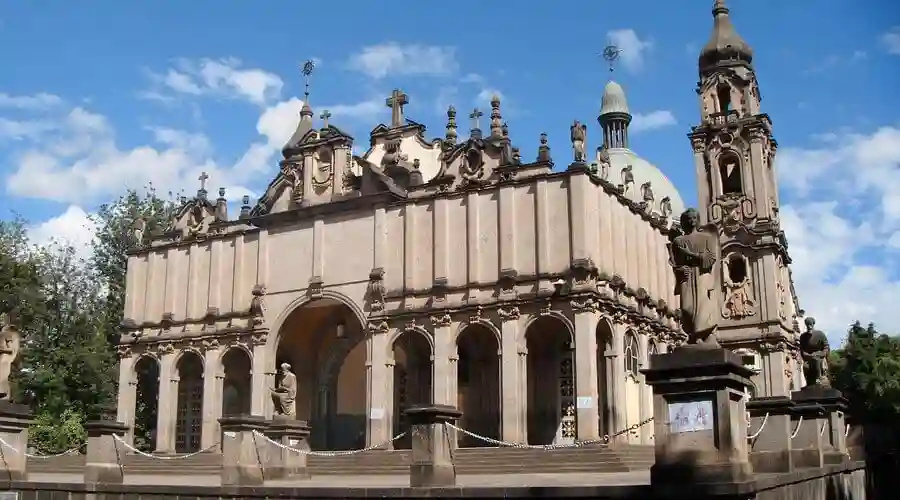
Holy Trinity Cathedral – The Resting Place of Haile Selassie
Holy Trinity Cathedral (Kidist Selassie) is one of Ethiopia's most significant religious landmarks and a masterpiece of Ethiopian Orthodox architecture. Built after the liberation from Italian occupation in 1941, this stunning cathedral serves as the final resting place of Emperor Haile Selassie I and Empress Menen Asfaw. The cathedral features magnificent stained glass windows created by Ethiopian artist Afewerk Tekle, depicting biblical scenes and Ethiopian religious history. The interior is adorned with intricate murals, sacred paintings, and beautiful woodwork that showcase the finest Ethiopian ecclesiastical art. Beyond its spiritual significance, Holy Trinity Cathedral is also a memorial to Ethiopian patriots who fought against fascism. The grounds contain a museum with religious artifacts, imperial regalia, and historical exhibits. It remains an active place of worship and a must-visit destination for those seeking to understand Ethiopia's deep Christian heritage.